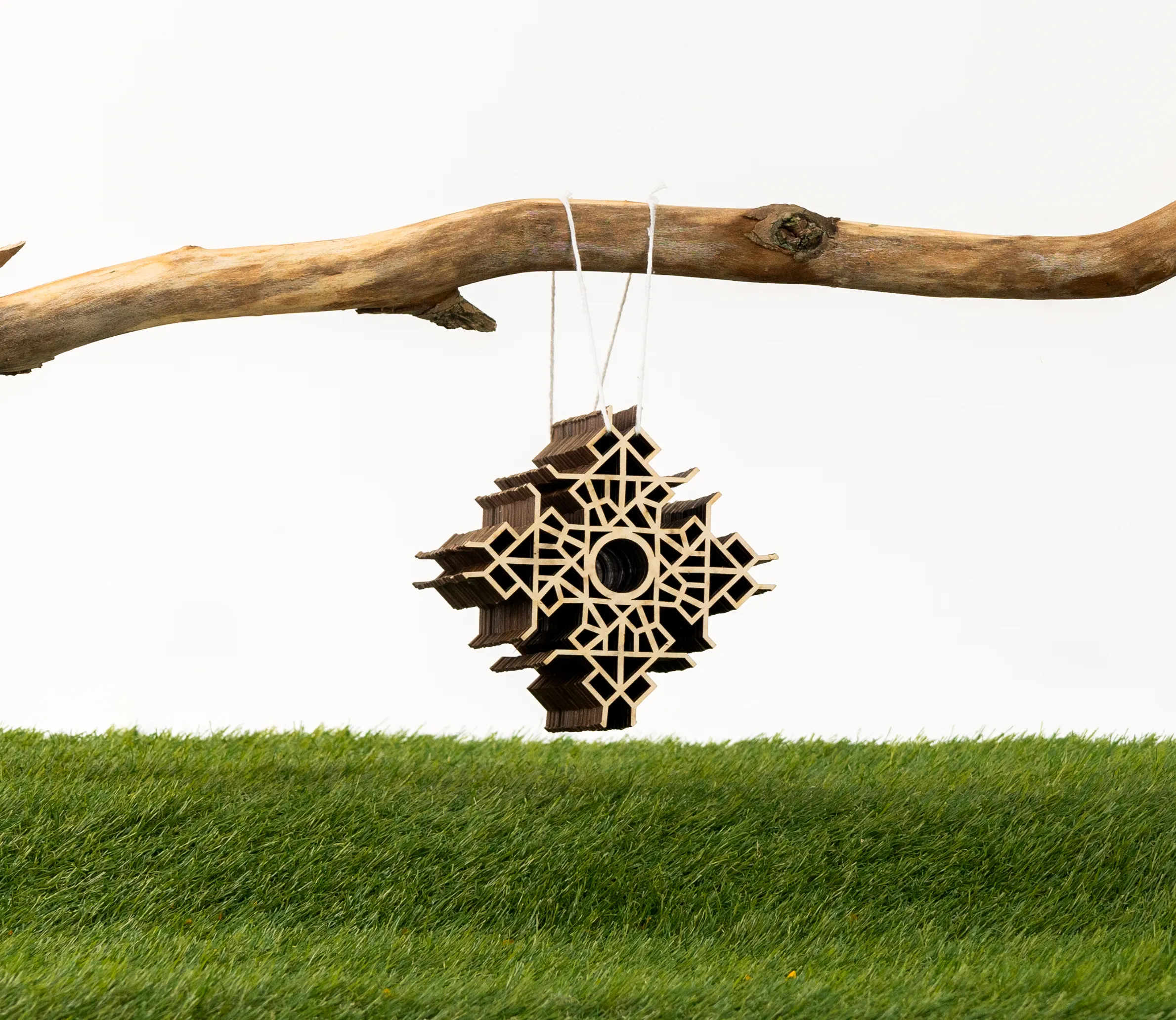
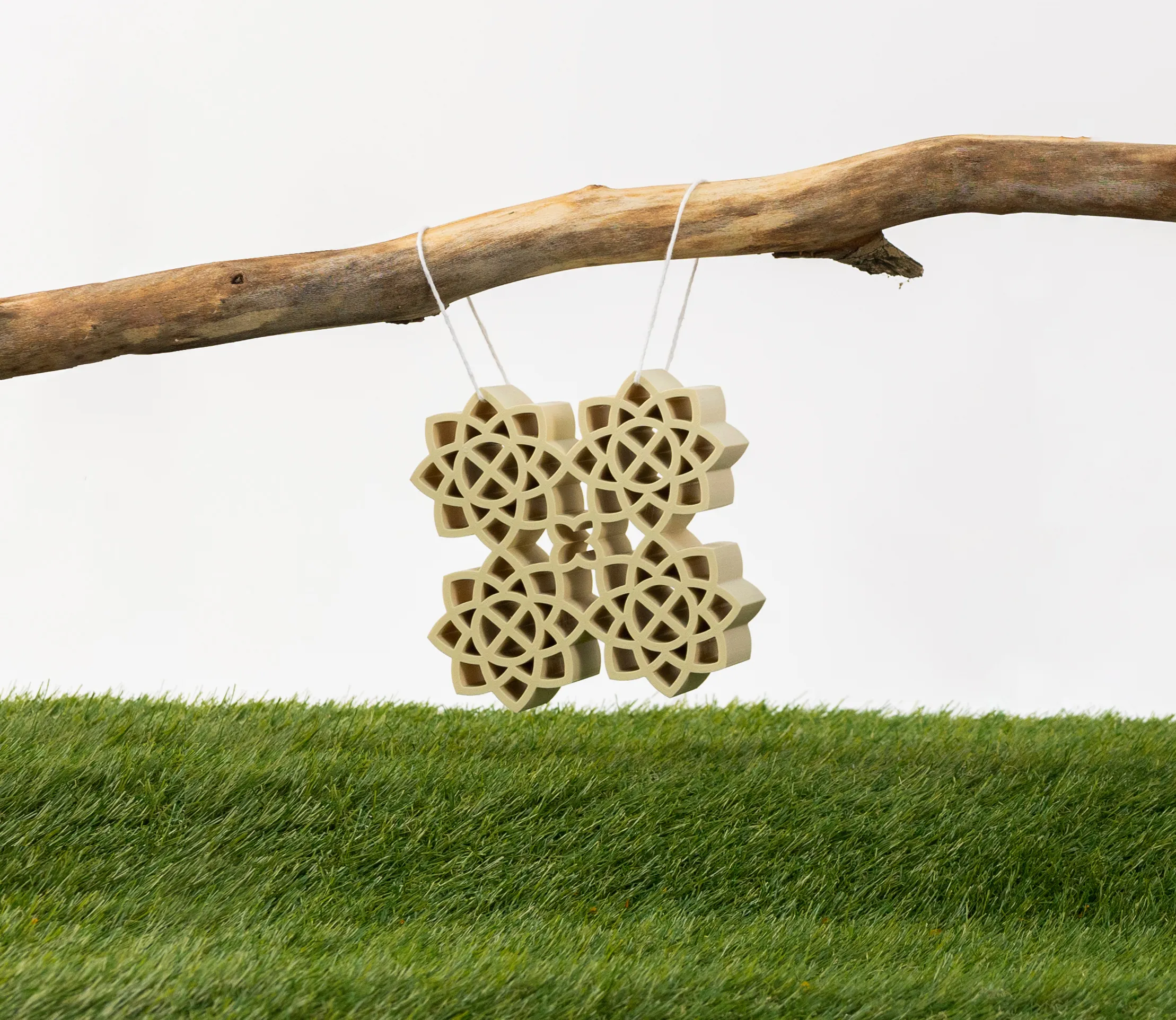
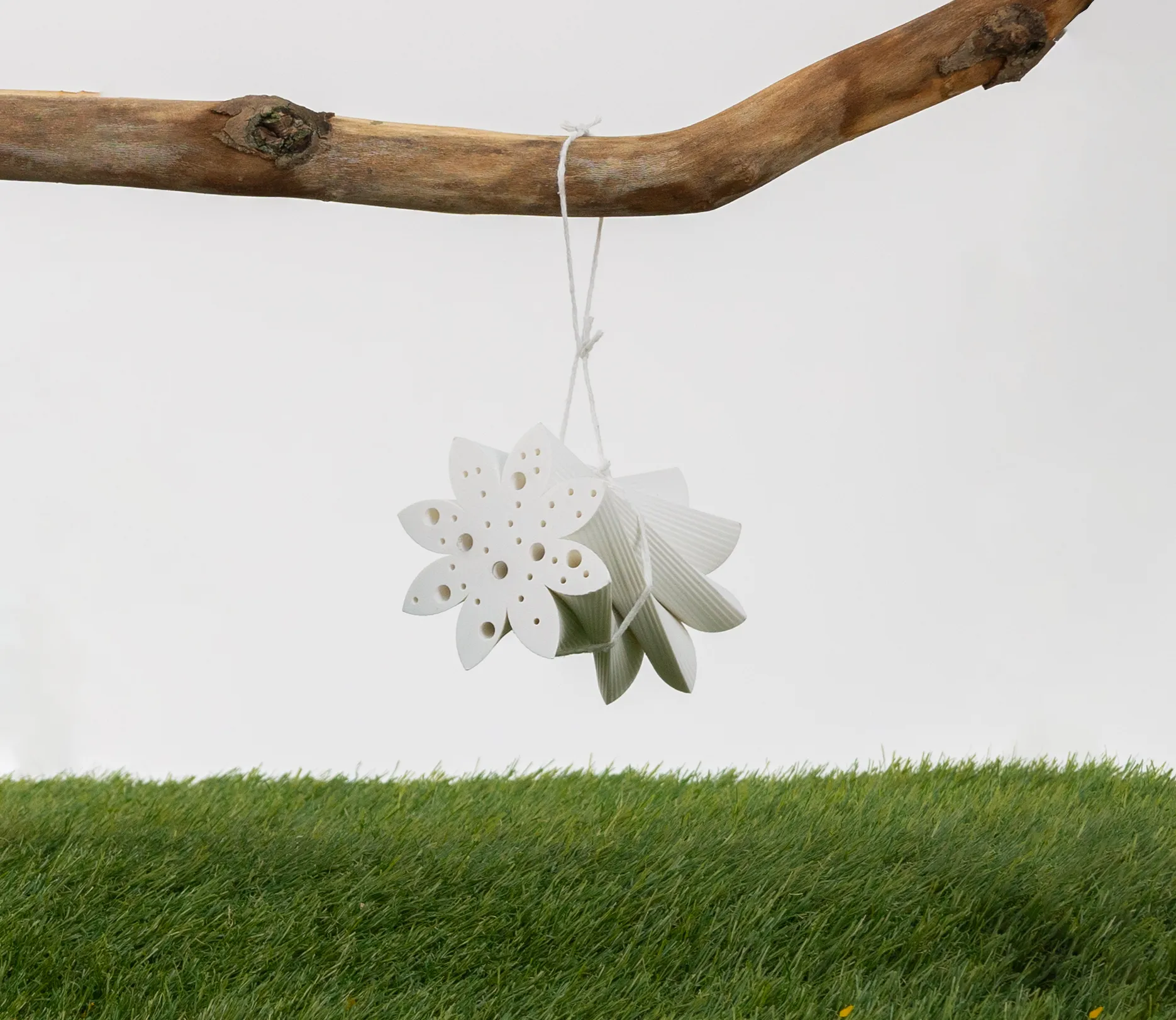
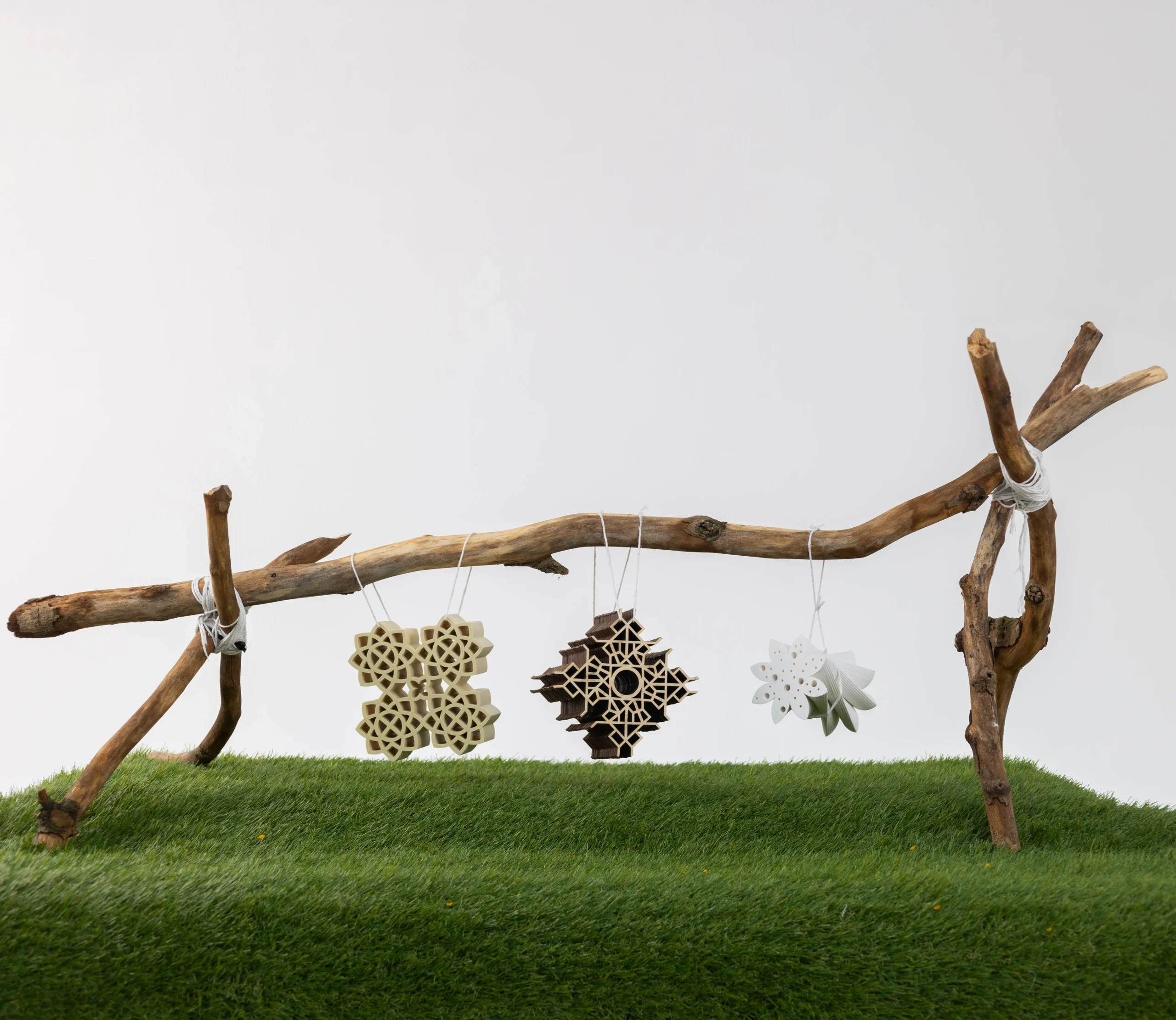
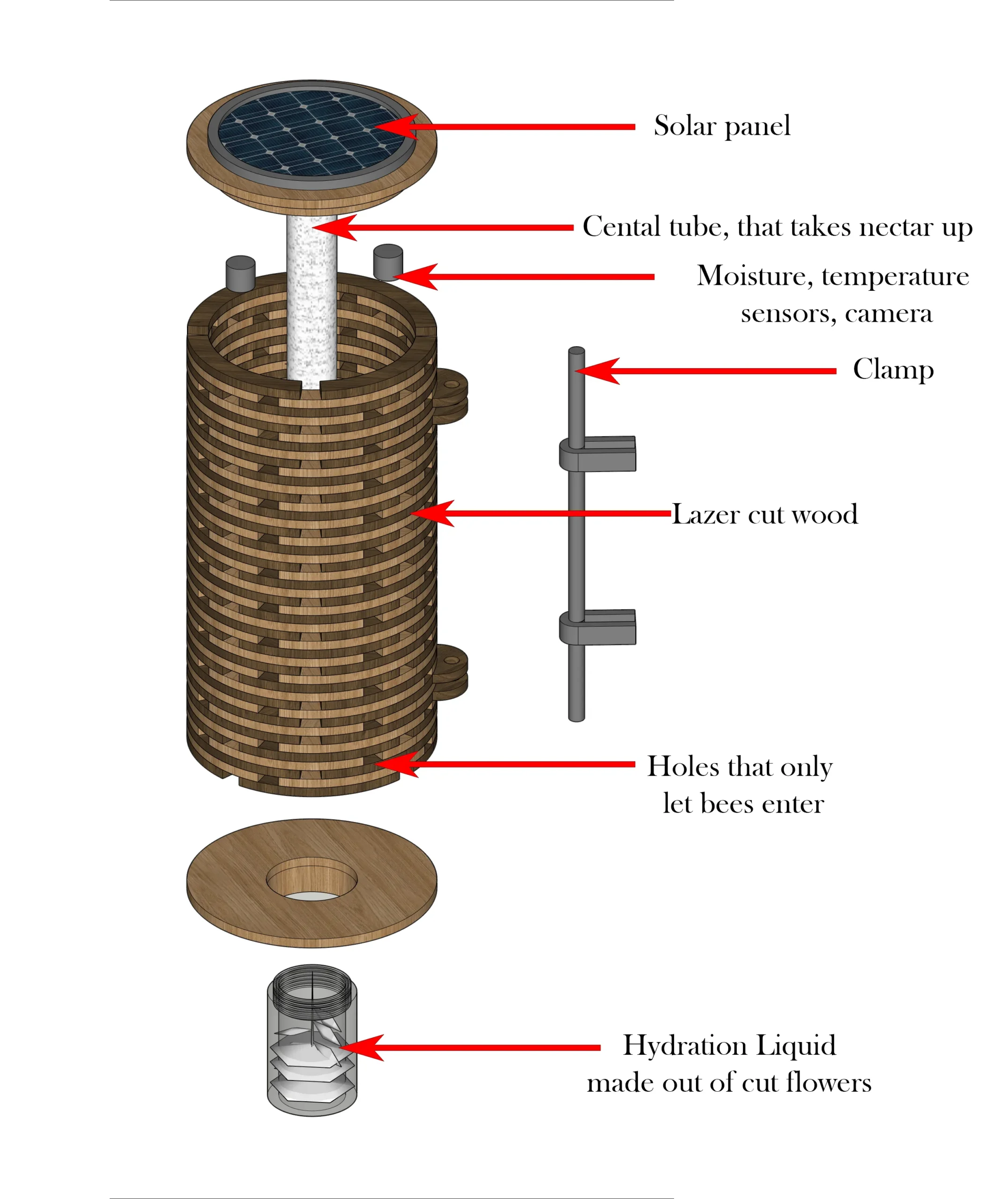
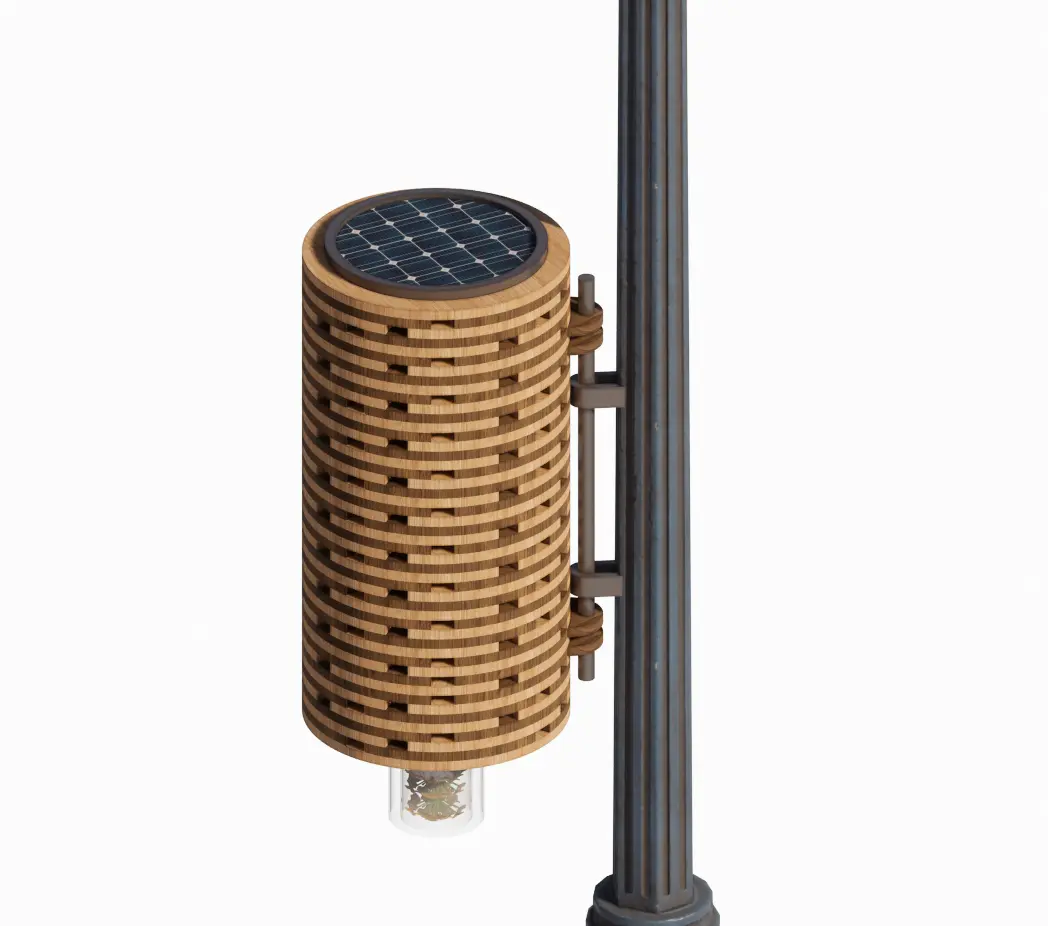
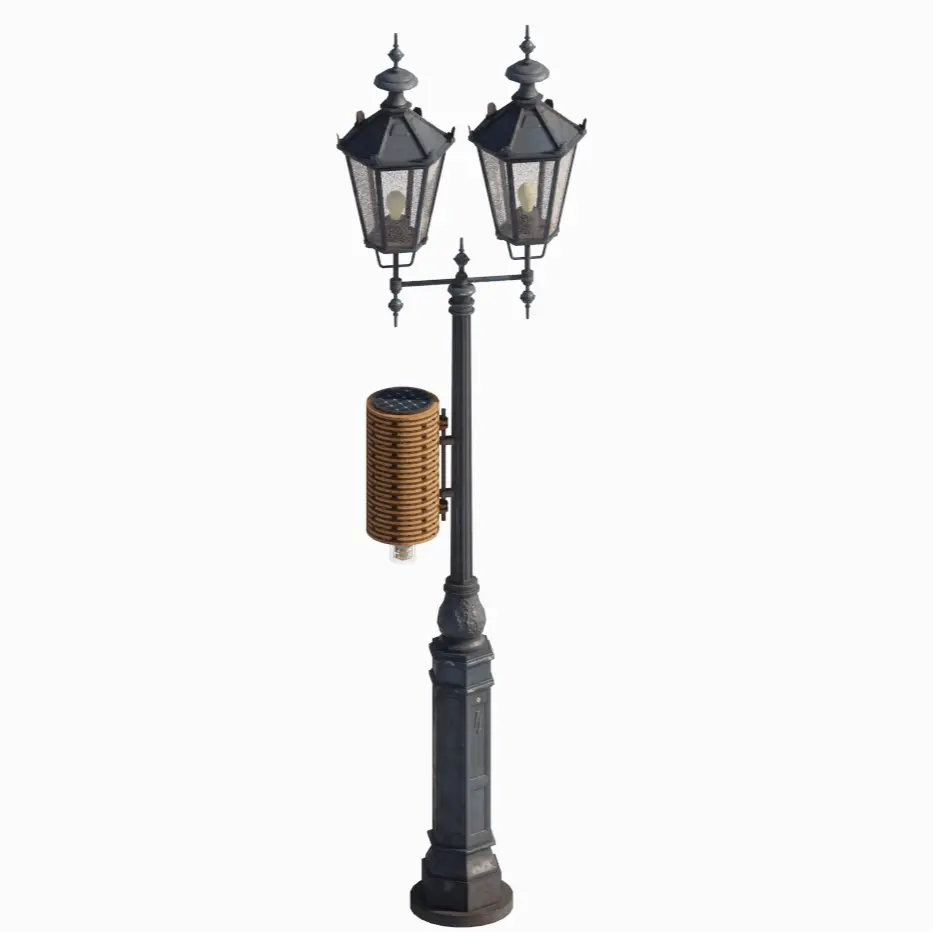
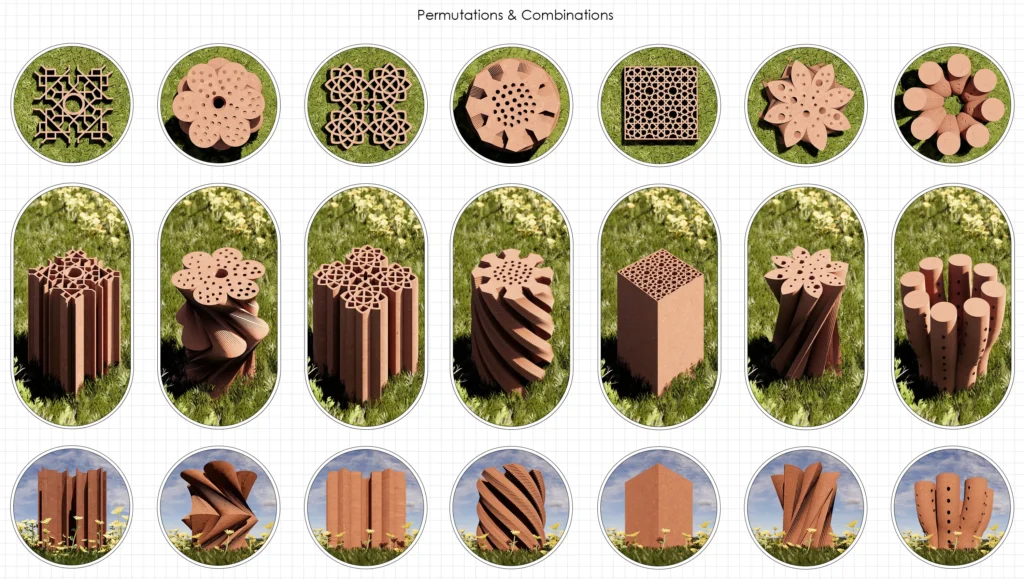
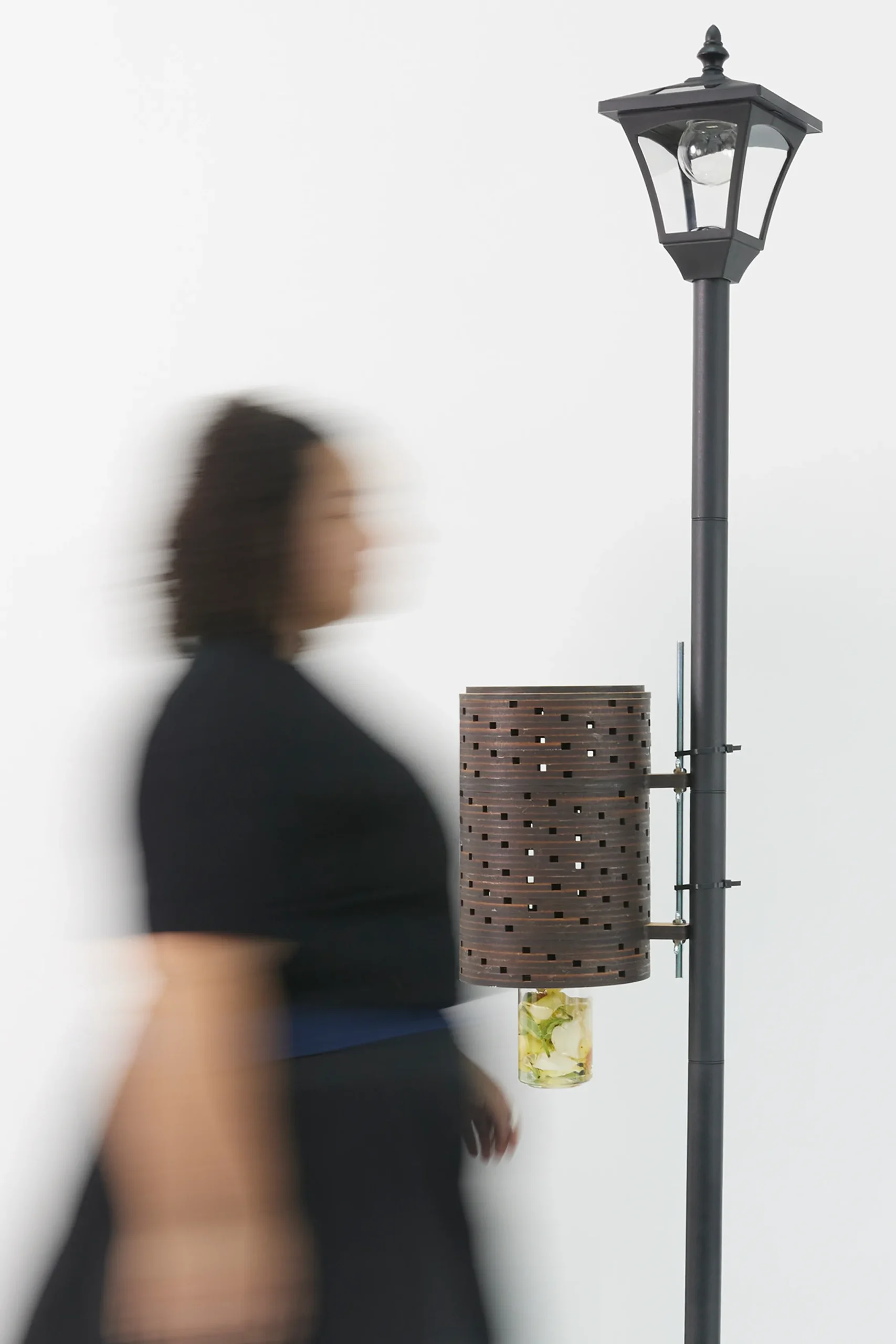
The Bee Initiative is a modular design project developed to confront the growing urgency of restoring biodiversity within dense, highly engineered urban environments. Centered on the wellbeing of solitary native bees—some of the most efficient yet often overlooked pollinators—the project investigates how thoughtful design can carve out purposeful, ecologically supportive habitats within cityscapes that are overwhelmingly built for human use. By expanding the role of urban infrastructure to include non-human species, the initiative reimagines the city as a shared ecosystem where architecture, materiality, and spatial strategy work together to sustain life, encourage coexistence, and nurture delicate ecological relationships that are essential for long-term environmental resilience.
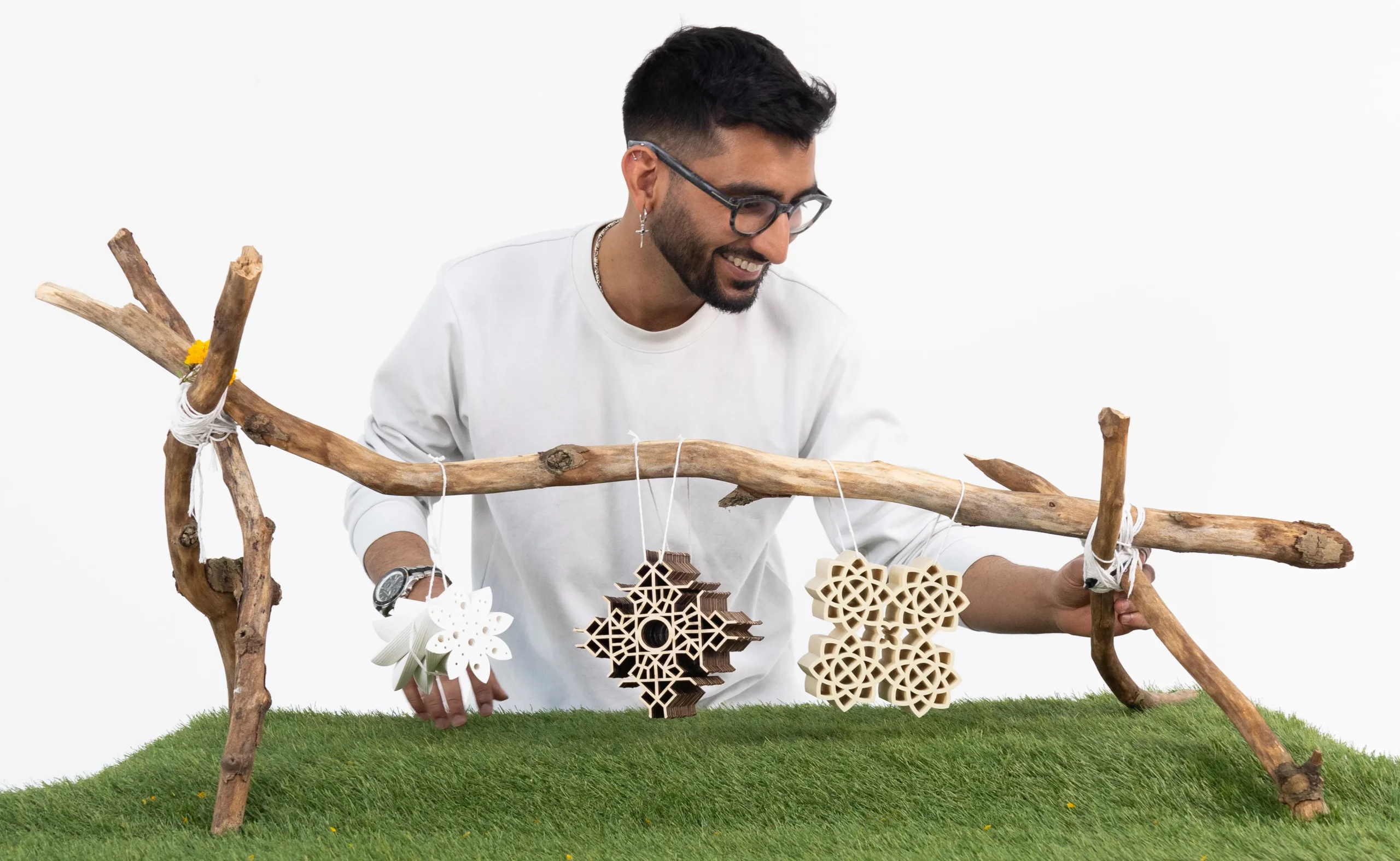
The formal language of the structures draws deeply from Islamic motifs and architectural principles, particularly their sophisticated use of geometry, repetition, symmetry, and layered complexity. These references extend far beyond visual appeal; they embody a philosophical system built on balance, proportion, and interconnectedness. By integrating these principles, the design establishes a meaningful dialogue between cultural heritage and ecological function. The ordered geometries echo natural forms such as honeycombs, branching systems, and modular growth patterns, creating a visual and conceptual bridge that links traditional craft with contemporary environmental design. This expanded formal approach allows the structures to operate not only as functional habitats for solitary bees but also as symbolic expressions of harmony between human culture and the natural world, reinforcing the idea that ecological intelligence has always existed within our architectural traditions.
Each module is designed with simplicity and adaptability at its core, enabling seamless integration into walls, furniture, or public spaces without disturbing the existing environment. The geometric framework functions as both ornament and structure, guiding bees into safe, calm shelters while connecting the modules to a broader design lineage rooted in balance, rhythm, and interconnectedness. The project ultimately encourages a shift in perspective—inviting us to view cities not solely as human-centric environments but as shared habitats where ecological care and cultural storytelling coexist.
Die Spielauswahl bei spinsy casino online umfasst mehrere hundert verschiedene Slots und Tischspiele.
Das monsterwin casino arbeitet mit renommierten Spieleentwicklern zusammen und garantiert dadurch höchste Qualität.